


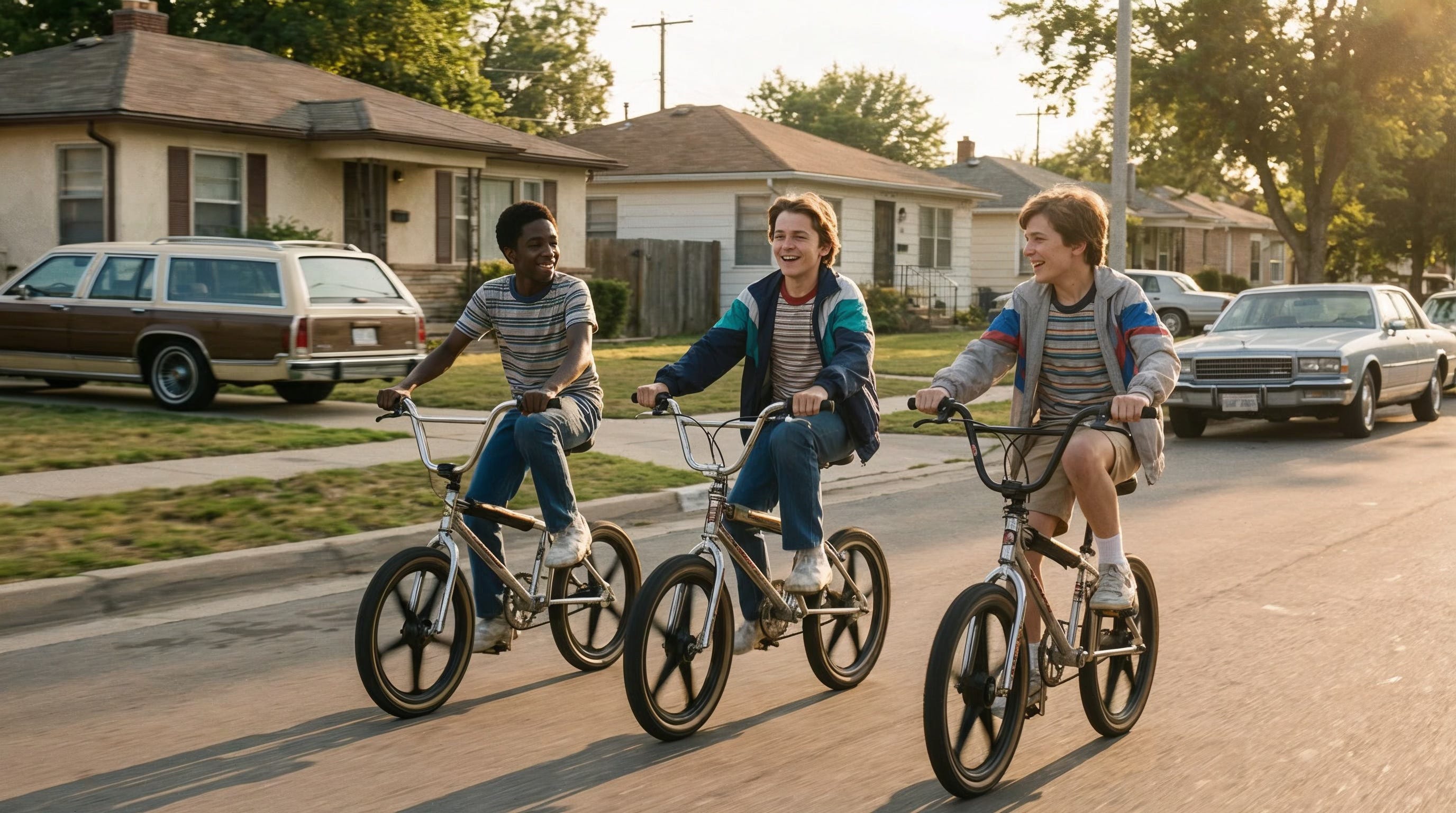
Ah, Christmas Day.
A day—when done correctly—is supposed to be full of cheer: family gathered close, smiles, and the infectious grins of people surprised by what’s been placed in their hands. Few things ever captured that feeling better than the smiles of children. Everyone loves a gift, but Christmas gifts once seemed to carry a deeper kind of joy—more weight, more meaning—than those given on birthdays, anniversaries, or even the polite obligations of corporate holidays like Valentine’s Day.
Maybe it was decades of careful framing—commercials, television specials, and the endlessly replayed It’s a Wonderful Life version of the season—that taught us how Christmas was supposed to feel. Or maybe it was simply youth, when wonder came easier. Either way, most of us still carry a soft, rosy memory or two of the Christmas gifts that mattered most, lingering long after the paper was torn away.
For anyone born and raised in the 1970s and ’80s, I believe most of us carry a memory of a bike. Maybe it was the first one that ever felt like it was truly ours, or the one we spent months staring at, begging our parents for until Christmas or a birthday finally arrived. Bicycles held a special place in the hearts and imaginations of kids and teens—especially boys—etched into memory from a time when the days felt longer and the world somehow quieter.
As I plan and structure what I want Freedom Ride to become, I can’t help but reflect on what a bicycle meant in childhood and adolescence. It was never just a toy. In America, learning to ride—through the falls, the early fear, and the quiet triumph when your parents finally took off the training wheels—felt like a genuine rite of passage. The first, I like to think, truly symbolic step away from the prying, protective eyes of your parents. A bicycle meant freedom, independence, and a doorway to adventure.
My first bike arrived on a Christmas morning, a complete surprise. To this day, I still don’t know how my mother managed to hide it from me. It was a Huffy 54, and it should come as no surprise that, in memory, it feels far cooler than it probably looks now.
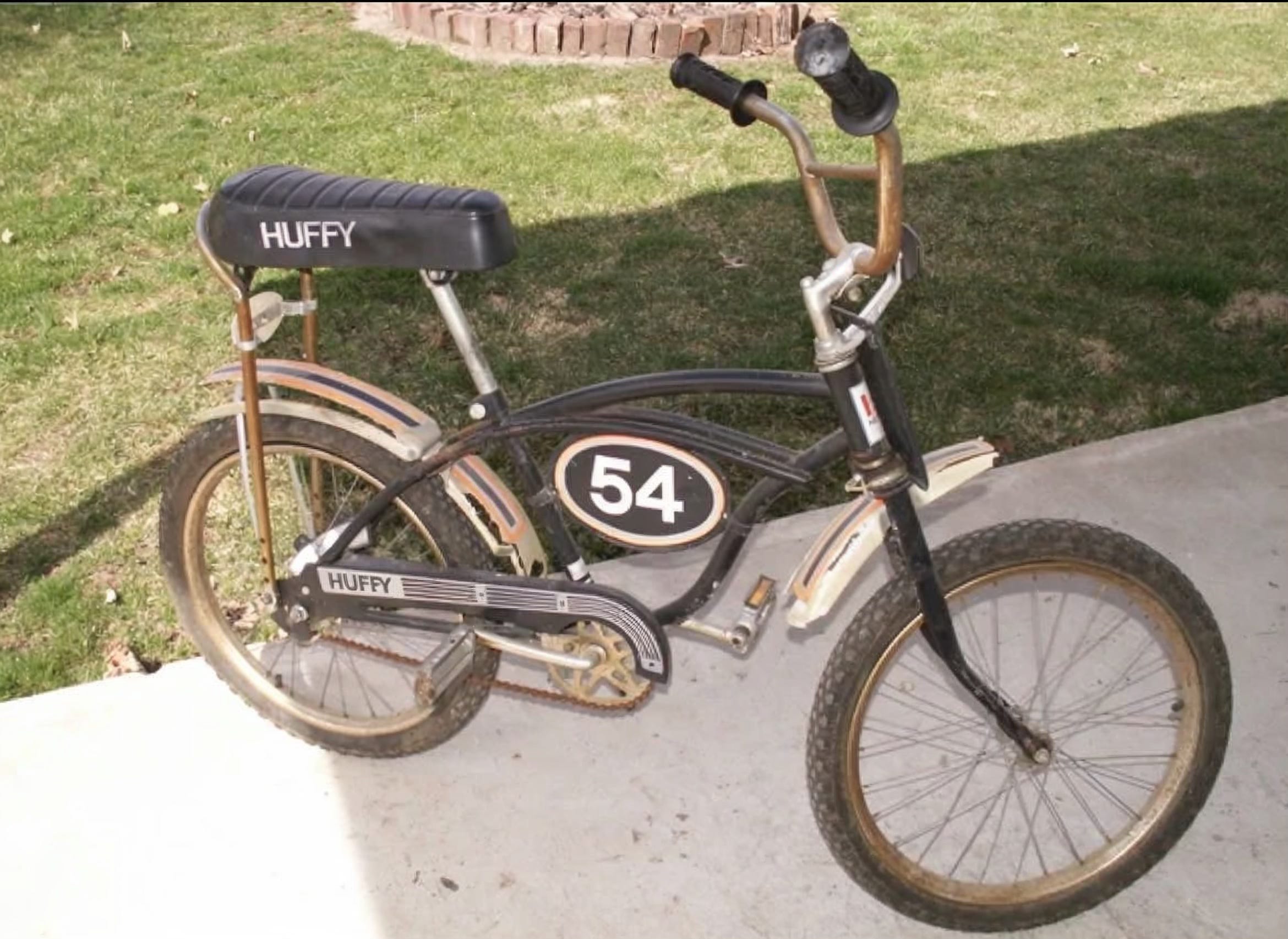
It took me three months to learn how to ride it. My cousin Karen taught me—my father couldn’t, having died a year or two earlier—and she watched me fall, crash into trees, and eventually learn the art of bailing off the bike just before disaster struck. Once I finally got the hang of it, I rode constantly.
In those days—the 1970s—kids walked to school unless they had a bike. Once I had mine, the trip to school became something I looked forward to. I still chuckle when I think about the bike racks back then, packed with bikes of every kind, not a single lock in sight. Theft simply wasn’t something kids worried about.
Which is ironic, because a year or two later, someone did steal my bike. They caught the culprit, but the police said they needed to keep the bike as evidence. For reasons I never fully understood, I never saw that bike again.
It would be years before I asked for another bike. Looking back now, I’m not even sure why I didn’t beg or cry for one. Maybe it was because the neighborhoods I lived in during my pre-teen years were thick with woods and winding paths—places my friends and I were perfectly happy to explore on foot.
Then BMX arrived. The iconic image of ’80s boys racing off on their bikes toward trouble wasn’t just something on television anymore—it became real. My first was a Kuwahara, and it wasn’t meant for cruising the neighborhood. This bike was for BMX racing. Somehow, this felt like a safer compromise to my mother, who had decided football was too dangerous.
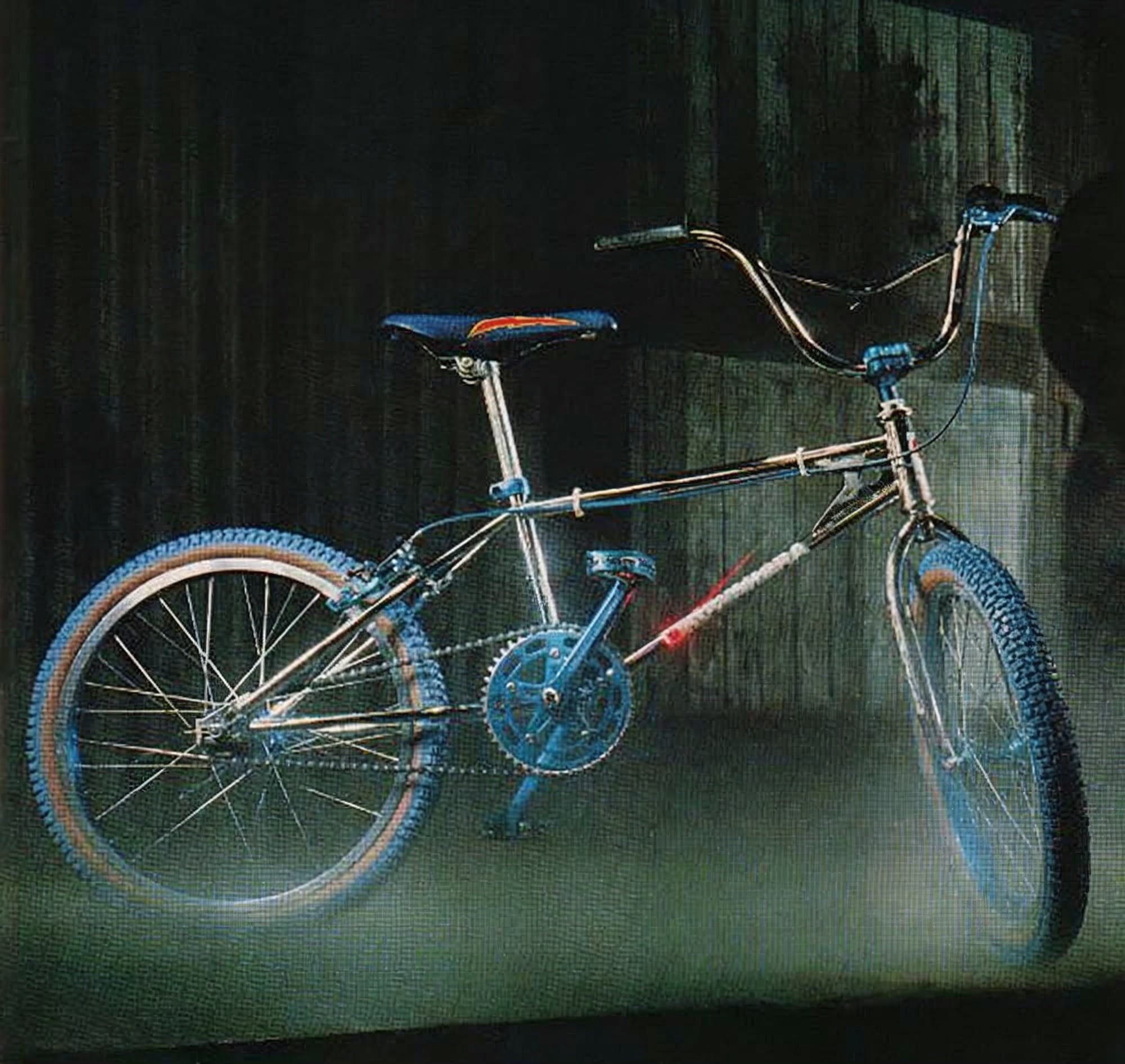
Yes—football was forbidden, but a sport that required a helmet and launching yourself over obstacles was acceptable. Parents can be wonderfully illogical like that.
That bike marked the beginning of a phase of life I still smile about. Going outside to ride was all that mattered. Parents in those days had no real idea where we were or what we were getting into. There were no cell phones to call for help if you got stuck deep in the woods, wiped out attempting BMX tricks, or broke something jumping stairways or cars. It wasn’t unusual for me to be eight or ten miles from home, chasing curiosity, exploring places I’d never seen before—trusting I’d find my way back before dark.
BMX racing wasn’t a sport many—hardly any, really—Black kids got into. BMX bikes weren’t cheap Huffys or Schwinns you could find at Kmart. You couldn’t stumble across one in a department store. Bike shops were the only place to get a decent one, and “decent” usually meant the bikes you saw advertised in BMX Magazine or BMX Now.
Black kids played football, basketball, or ran track. At the local weekend BMX track, I was usually one of only two Black kids racing. I never felt out of place. I noticed it the way you notice a tall person in a crowd of shorter ones—acknowledged, but not important. It didn’t matter to me, and it didn’t seem to matter to anyone else.
Fast-forward to today, and the situation isn’t all that different. BMX, mountain biking, bike touring, and camping do have more Black participants now than when I was growing up—but the numbers are still low. Not because of exclusion or racism. Mostly because many simply aren’t interested. Which is a shame. I went years without a bike as an adult, but the moment I got back on one, all the joy of childhood came rushing back.
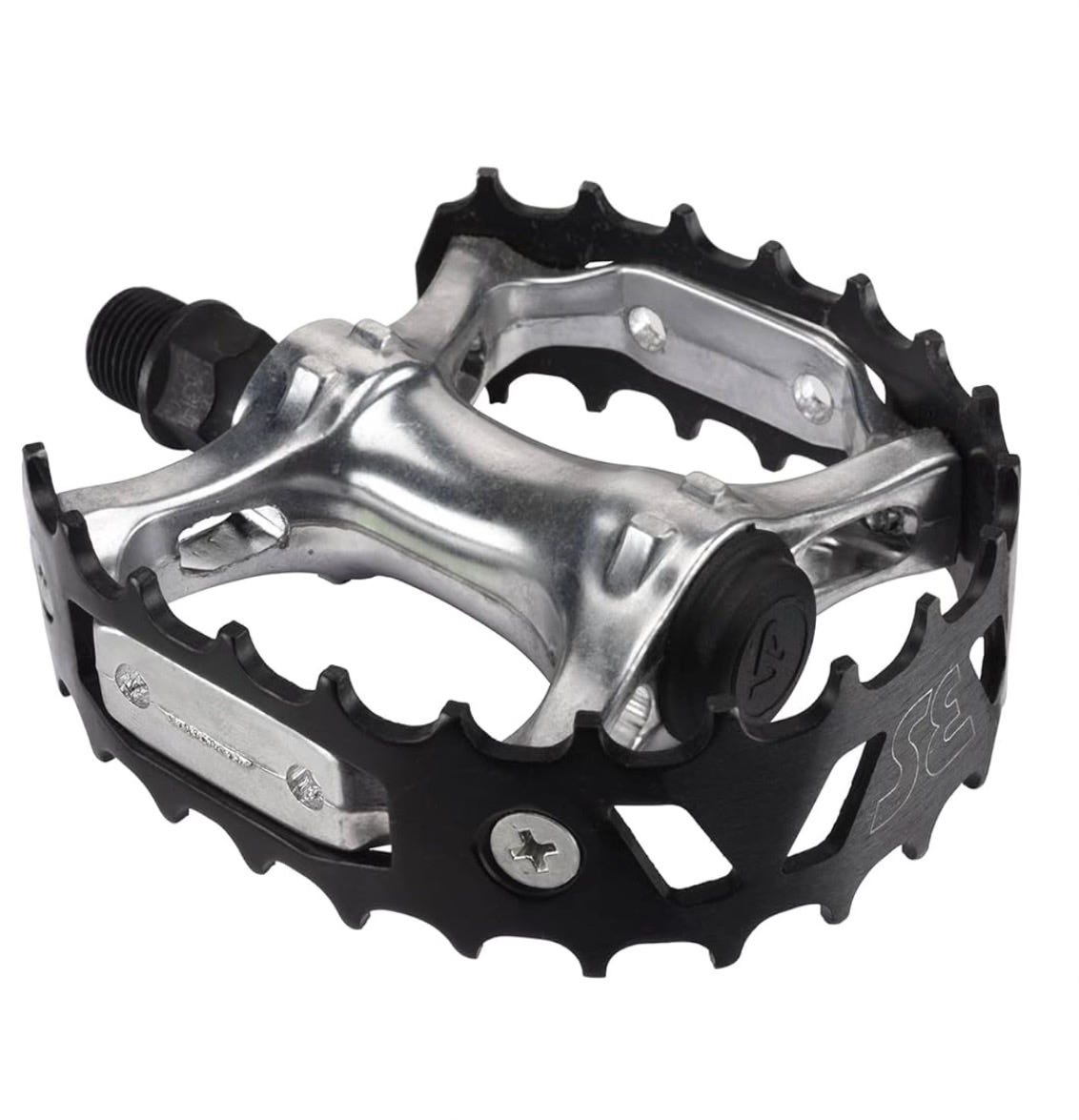
I eventually moved on from my Kuwahara and built what felt like the ultimate racing machine. A Skyway TA frame and fork. Powerlite bars—those handlebars with the slight curve at the grip ends, perfect for racing. Bearclaw pedals. Three-eighths rims built for speed. The total cost was $475.50. I remember the exact amount because it was a fortune in the ’80s—so much so that my cousins thought I was spoiled. In today’s dollars, that would be roughly $1,600 for a bike owned by a twelve-year-old.
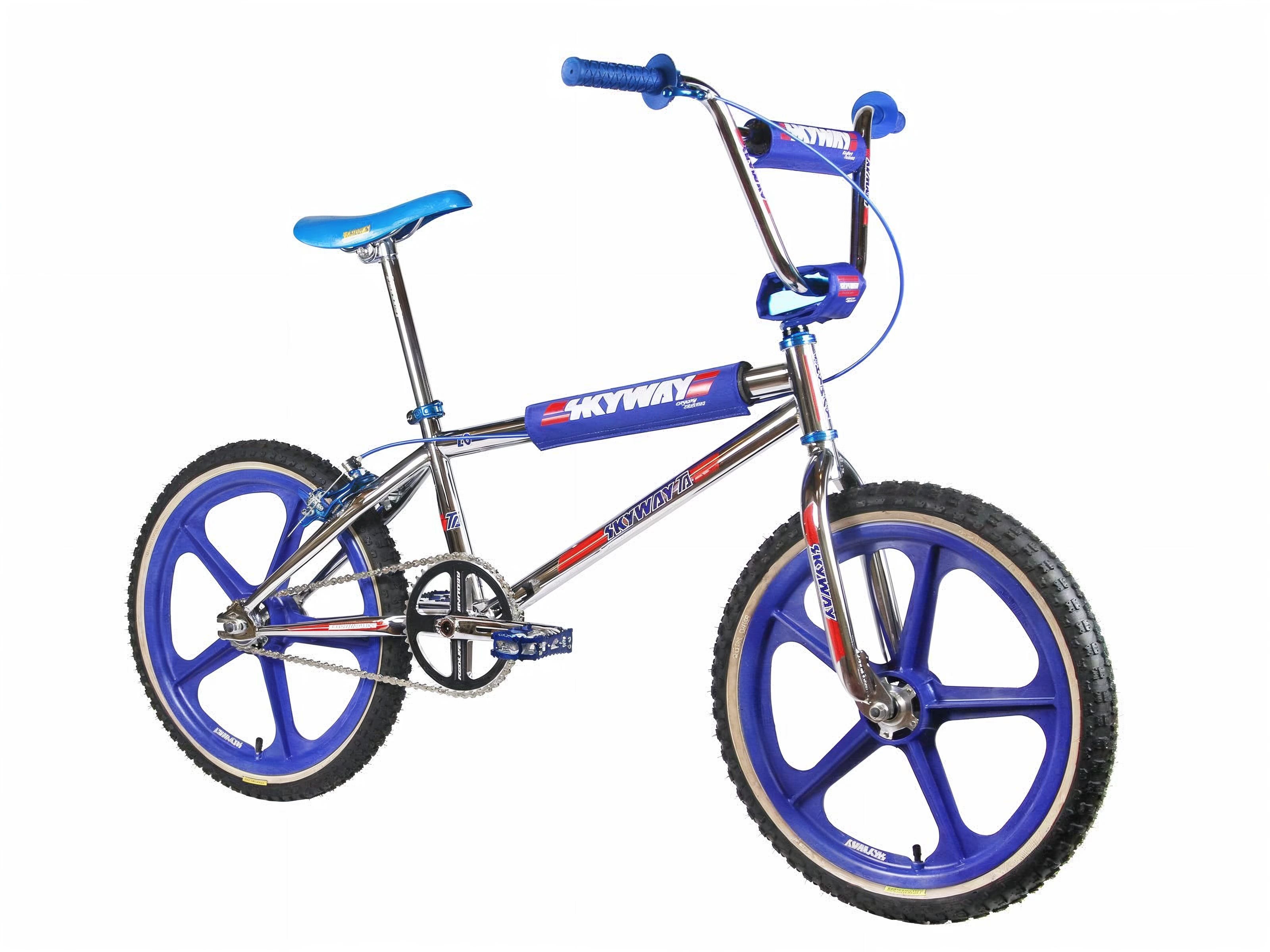
I named it Silver, and I loved that bike. Racing felt bigger than life. I traveled to different towns to compete. If my mother couldn’t—or wouldn’t—take me to the track, I rode there myself. Eight miles. I caught rides with racing friends who had vans and traveled farther than I could. Once, I went to a national BMX race so far away that I camped at the track for three days. I was thirteen years old and seventy miles from home.
I can’t imagine parents allowing that today.
My racing days ended when we moved too far from a track. I held onto Silver for another two or three years, until the day I made the mistake of letting a cousin ride it. He left it outside, and it was stolen—never to be seen again. Forty years later, the memory still carries a small sting. I loved that bike, and only the fear of my mother’s wrath kept me from confronting my cousin in anger. I never owned another BMX-level bike after that. I was relegated to the inferior wheels of big-box-store bikes—but the freedom to ride, to visit friends in the evenings and on weekends, mattered more.
This long walk down memory lane reveals a few common threads: joy, adventure, doing the uncommon thing. Looking back, all the ingredients were already there—the desire to ride long distances, to camp when necessary, to find joy without wondering whether anyone else like me was doing it.
Like so many others, I left high school, went to college, graduated, and became an adult—more or less. Bikes faded into the background, replaced by the next symbol of independence: a car. Bicycles became something people rode because they couldn’t afford a car, not for fun, adventure, or exercise. Cycling grew as a sport, and mountain biking eventually eclipsed BMX, but I think many adults simply outgrew that childlike connection to two wheels—or transferred it to motorcycles.
In truth, many of the things that once brought us joy get left behind. And when—if—we rediscover them, something stirs awake. I spent years in a car, but the moment I decided to ride long distances again, something opened up inside me. A rediscovery of travel, even when it was just around the corner to a place I’d never been before. A wanderlust quietly reignited—still smoldering now, waiting for enough oxygen to flare back into flame.
All of that sits beneath Freedom Ride 250. This isn’t just about miles logged or places crossed on a map. It’s about returning to something that was always there—the joy of movement, the quiet courage of going a little farther than planned, and the simple satisfaction of seeing what’s around the next bend.
What I’m chasing now isn’t speed or competition. It’s that feeling from long ago, when a bike was enough and the world felt open, knowable, and worth exploring. The roads are longer now, the stakes different, and the body older—but the impulse is the same. To ride. To wander. To see what happens when you trust yourself to keep going.
Freedom Ride 250 is a continuation, not a beginning—a long-delayed return to the freedom, independence, and adventure that first took shape on two wheels.